Protection Dogs Plus Still Serving Clients in Nigeria

We will soon be delivering two German Shepherd protection dogs to the area of Lagos, Nigeria: Rex and Falco. These are dogs trained at our Guardian Plus level, which means that these dogs are given our most complete off-leash protection training, including stealth mode, handling multiple attackers, and guarding a specific area. (Click here for a glossary of these terms and more).

In addition to working independently, it was important to our client that the dogs be trained to work cooperatively in a protection scenario. This gives his family the flexibility of using a dog for home protection and taking the other out for errands.

Background reading:

The Benefits of Training Personal Protection Dogs in Pairs: When Two Protection Dogs Are Better Than One

Kidnappings Threaten Travelers to Nigeria, Mexico, Brazil, Colombia and More

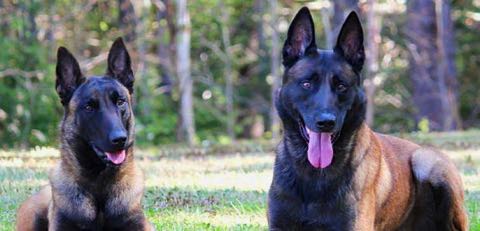
See two personal protection dogs trained to work together, including Rex and Falco.

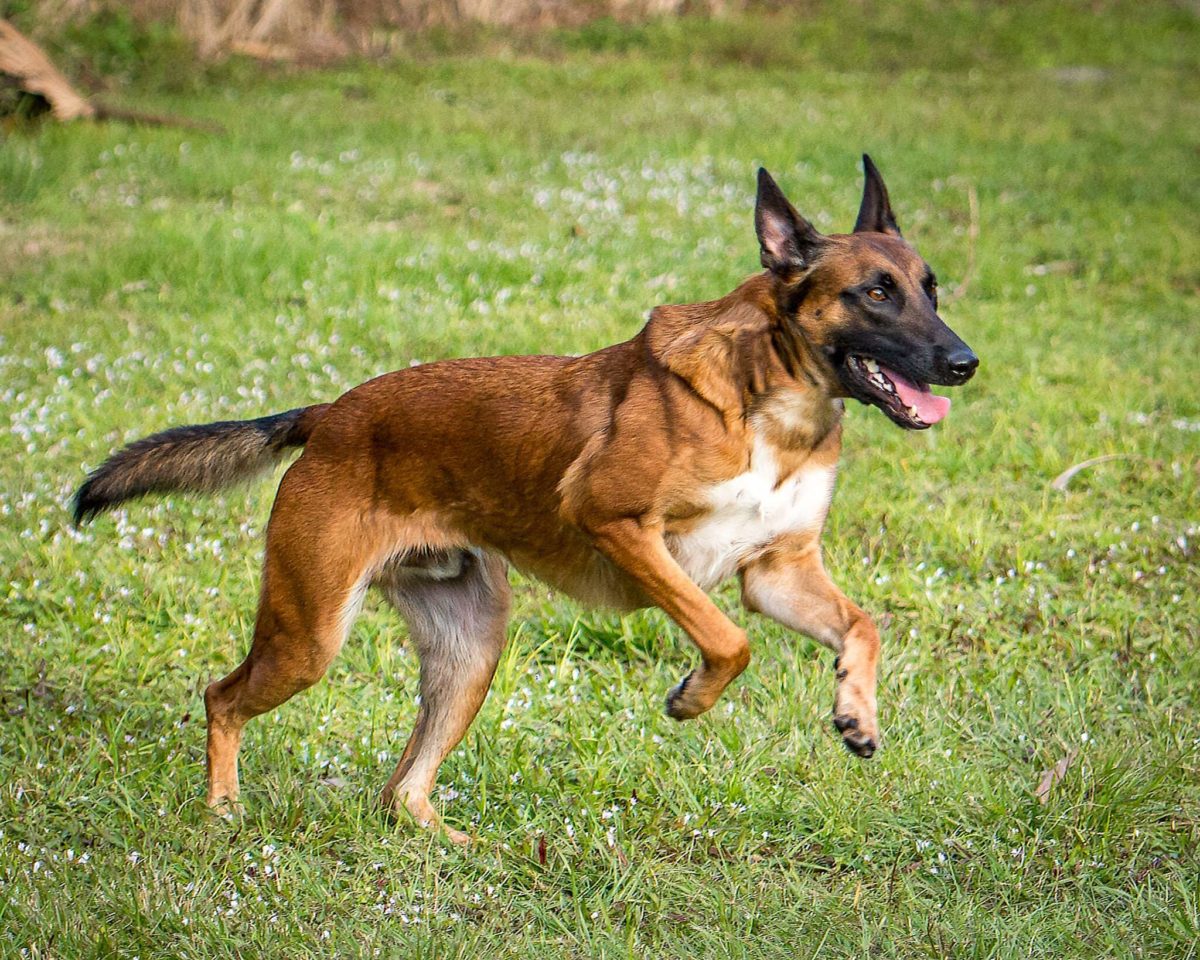
Falco is one of the German Shepherd protection dogs we will be delivering to Nigeria:

Training Personal Protection Dogs for Texas Life

Some of the best graduates of Protection Dogs Plus’ training program are keeping families safe in Texas. See Klaus, one of our Guardian level protection dogs, being delivered to his Houston, TX in this video. A key component of preparing personal protection dogs for life in Texas is getting them accustomed to working not just under high stress, but in high temperatures. This summer has given us plenty of opportunities to do that, with MA and NH experiencing several heat weaves in the past month alone. Daily outdoor protection training sessions in a all different temperatures mean that the German Shepherds and Belgian Malinois we train for protection don’t need much pampering. Even when the heat index is high, they still display amazing feats of speed and strength.

Believe it or not, German Shepherds and Belgian Malinois with thicker coats are not a bad fit for hot climates. Their fur acts as an insulator to keep their bodies both from getting too cold and from overheating. Despite their low maintenance qualities, when we deliver personal protection dogs to Texas homes, we stress the importance of providing plenty of shade, airflow and water to any outside guard dogs.

A Texas protection dog is much more likely to find himself tackling a threat in the great outdoors than a protection dog in New York. This is another place where our outdoor work proves its worth. We get the dogs used to covering all kinds of terrain, going over natural obstacles and searching for a threat in thick wooded areas. The dogs are conditioned to track movements with their eyes, ears and noses.

This protection dog training video shows a variety of outdoor situations, including bitework in the woods, tree climbing and jumping over obstacles. In one example, Eteo, a Belgian Malinois trained for protection, jumps over a stream in the woods that would take a human significantly more time and effort to cross. In another, he scales a steep ledge with ease, proving yet again that a fully trained protection dog can run circles around a human criminal! A protection dog’s speed, paired with his sharp sense, means that he can cover and guard the kind of expansive properties that our clients in Texas tend to have.

Snakes are a fact of life in Texas, and creatures like the Texas Coral Snake, Western Diamondback Rattlesnake, Southern Copperhead and Western Coppermouth pose a grave danger to humans and dogs alike. One training exercise we recommend to owners of protection dogs in TX, FL, NC, GA and other southern states is snake alert and avoidance. Using docile, non-venemous snakes, we are able to teach our personal protection dogs to identify and avoid snakes to keep them safe from harm.

See more of our training exercises in our protection dog videos, and read about what some of our more advanced commands mean here.

Step by Step: Buying One of Our Protection Dogs for Sale

Hicks and Aden during a socialization training session in Brentwood, NH

If our guide to raising a puppy for protection sounds too involved for your lifestyle, you might want to consider purchasing a fully trained Belgian Malinois or German Shepherd dog for protection. With this option, you know you’re getting a dog that has already been thoroughly evaluated and prepared for home defense, eliminating the risk of ending up with a dog not suited for home defense or companionship. From the time our dogs are puppies, they are handled by experienced professionals who know how to nurture their working drives and social nature. Once selected for our program and imported to the U.S.A, the dogs are given the most advanced obedience and protection training possible. The heavy lifting has already been done and the dogs are completely ready to keep your home safe.

You may be wondering if you can bond with an adult dog as well as you could with a puppy, and the answer is yes. Dogs have earned their reputation “man’s best friend” because of how readily they offer their unconditional affection. Even though we are training working dogs to be professional and precise, at the end of the day they are still loving dogs who would like nothing more than to protect and bond with their master. During the delivery process (shown here), our dogs are already forming a deep bond with their new family.

If this approach sounds like the one for you, let this post walk you through the process of selection, customization, purchase and delivery.

The first step is to figure out what qualities you want in a home protection dog. Start by browsing our current selection of protection dogs for sale. We also recommend taking a look at our Recently Sold page. These pages feature a variety of protection dog breeds, sexes, and training levels, but understand that any dog that we list on our website is healthy and fully socialized.

Choosing between protection dog breeds and appearance is simply a matter of personal preference. Click here to read our discussion on Belgian Malinois vs. German Shepherds for protection. The bigger decision is picking the right training level for your needs. An explanation of our training levels can be found here.

Once you have narrowed your search to a few of our protection dogs for sale, it’s time to fill out our short questionnaire. Clients in the U.S.A. should use this form, while we have a separate form for international clients. This form will let us better understand your lifestyle so that we can help you in your decision making process. After the questionnaire is submitted, we will follow up with a phone call within 24 hours. This is a great time to have any lingering questions answered and to learn more about the purchase and delivery process.

Our focus is on selecting, training and delivering the best protection dogs possible. We’re very careful about which dogs we select—we accept fewer than 5% of the dogs we evaluate in Europe. If none of our protection dogs we currently offer for sale seem like a good fit for you, contact us to let us know what you’re looking for. We often have dogs at our facility that have not yet been listed for sale. If none of the dogs in our inventory are just what you want, we’ll take your “wish list” on our next buying trip and bring you back a custom European import.

As soon as you have decided on the dog for you, we’ll begin modifying the dog’s existing training to suit your needs. If you selected a protection dog that was already listed for sale on the website, the training would already be mostly complete and simply needs to be customized to the client’s preferences. The amount of time needed for these finishing touches varies based on what is requested, but generally takes just a few weeks. Training a custom import from start to finish, on the other hand, may take up to 6 months. Once the training is finished, we will make the delivery.

Our protection dog deliveries are coordinated far in advance so that you can allocate time for learning how to handle your dog. The delivery takes just a few days, and by the end of it, you and your family members (or friends, hired help etc.) will have a full working knowledge of the training principles such that you can use and maintain the dog’s training every day.

Ready to get started? Click here to see our fully trained protection dogs for sale.

When Two Protection Dogs Are Better Than One


Our personal protection dogs are highly social, and having two in the same home is no problem. The two dogs will follow your off-leash obedience commands without a problem. With the right training, they can work together in a protection scenario, too. Instead of getting confused and hindering each other in the heat of the moment, a pair of dogs with cooperative training can be a huge asset.

Eteo an Kazou are Belgian Malinois protection dogs who have both been trained at our Guardian Plus level. In this video, you can see that they will come to opposite sides of their handler on command. They do this in perfect unison, and as shown in the video, they will even run past the decoy to form this protective barrier instead of becoming distracted and taking a bite before they were commanded to. This fierce duo doesn’t just take to separate sides of the handler— they also target different parts of the attacker so that they can cooperatively overtake the threat instead of getting in each others’ way.

Rex, a black German Shepherd, is one of our Guardian level protection dogs. Falco is a sable German Shepherd with Guardian Plus training. While these two dogs differ in final training level and appearance, they come together with precision in functional training scenarios. Rex and Falco have been sold to a client in Nigeria who will have a variety of options when it comes to home integration. For instance, having two dogs means that one could take watch over the backyard while the other patrols in the interior of the house. It also means that neither handler nor home will be left unattended when it’s time to travel. Each member of the family receives training on obedience and protection handling, so this client’s wife and children can remain under the protection of one dog while another follows its master on trips.

zira-curtis

A similar situation is that of Curtis and Zira, a male and female German Shepherd pair who have been trained to work together. These two muscular dogs deliver a one-two punch that easily tackle even our largest decoy trainers. Keep an eye out for a new video featuring this pairing, coming soon to our video page.

Would Your Dog Protect You From an Intruder?

We don’t need to get into all of the reasons to own a pet dog. Dog ownership is one of the most rewarding experiences a person can have. But let us be abundantly clear: home defense is not a job suited for an untrained pet dog. That may seem obvious to those familiar with protection dog training, but we often hear people say things to the effect of, “My dog is a German Shepherd/Rottweiler/Pit Bull/Mastiff, so he’ll protect me anyway.” It’s simply not true.

Meet Brinks, one of four German Shepherds owned by Bonnie and Kirk of Tulsa, Oklahoma. Brinks has every reason to be protective: she recently had puppies and is known to be protective of the family’s children. Bonnie said that out of all the dogs, Brinks would be the one to show aggression to an intruder. But when Oklahoma’s NewsOn6 put people’s pets to the test in protection, the results were disappointing:

Rogers County Deputy Kyle Baker walked into the home, checked out the TV and wandered around, and there was not so much as a bark out of Brinks. Bonnie said she was, “Kinda surprised.”

Bonnie was disappointed, but it’s better she learned this lesson in a drill and not when a real threat was at the door. The decoys tried other tactics to get the dog to show aggression:

Then we put Bonnie and her youngest inside with her to see if that brought out more of Brinks’ protective instincts. Even though Brinks went to the couch with Bonnie, she didn’t bark or display aggressive behavior and, in fact, she got behind Bonnie when Deputy Baker got close.

We weren’t surprised to read this. When clients bring dogs with Schutzhund or French Ring titles for training, they are as surprised as Bonnie to see their dog hide behind them in a realistic evaluation. There is major difference between a dog that will go after a bite sleeve in certain circumstances and a dog that will jump over obstacles in a dark house to get to an armed attacker.

Both Bonnie and Kirk said they were surprised, but both figured Khemo would react differently, so we put him in with mom and baby to see what happened. Again, though, it was the same result. Khemo didn’t show a protective side, even when Deputy Baker approached mother and child. Bonnie and Kirk were, again, disappointed. “Yes, I would like to see the guy get bit. It’s mean to say, but I’d have felt a lot better,” Kirk said.

Their disappointment is understandable, but so is Khemo’s response to the situation. Nowhere in this article does it say that Khemo was selected from a litter of dogs because she displayed the kind of drives needed for protection. The article doesn’t mention any careful upbringing or extensive training in a situation like this. Expecting Khemo to handle a dangerous situation would be like expecting your Comcast technician to deliver your baby. The job requires a lot of experience and training.

There are different drives that motivate dogs to bark. What many people assume to be an aggressive bark is usually the result of fear. The dog is barking out of discomfort, not out of boldness. As soon as an attacker males a move, the dog will drop its “tough guy” facade and run, cower, or like one of the dogs in the investigation, actually lick the attacker’s face.

Even if Kirk had gotten his wish that Khemo bit the attacker, the result would be a quick, unrefined bite- not the kind of deterrent needed for a 200 pound man intent on committing a crime. Dogs in the wild may be used to fighting with their mouths, but a home-raised pet has no experience with unlocking the power of the canine jaw. When we test dogs that have not been trained to bite properly, the few that latch on at all will release at any sign of motion, yelling or striking. The one dog in this investigation that did bite an intruder lightly nipped the leg of the threat and that was all. Compare this to protection dogs who are trained to stay on the bite even if they’re lifted off the ground or fought with. From big dogs like Asterix to our smaller German Shepherds like Rex, our dogs bite with enough power to pull a grown man out of a chair.

The news anchor ends the story by giving hope to people depending on untrained pet as a security system. She says, “We can’t test for every scenario. Had our victims been yelling, giving orders to the dogs to attack or exhibiting real fear, who knows what would’ve happened.” At Protection Dogs Plus, we do test for every scenario. Every day we give the dogs new challenges: armed and unarmed attackers, passive and active threats, indoors and outdoor situations with single or multiple attackers.

If you’re serious about home security, please do more to prepare for a home invasion than hoping for the best-case scenario. We offer fully-trained adult dogs as well as training for your adult dog or puppy.

Source: http://www.newson6.com/story/20049010/would-your-dog-protect-you-from-an-intruder

Personal Protection Dogs are Perfect Companions in Abu Dhabi and Dubai, UAE

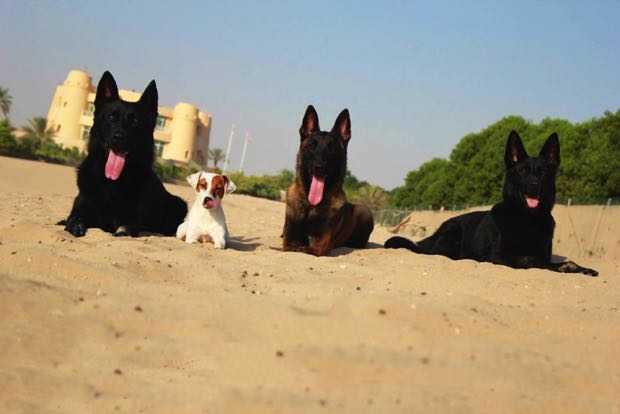
Here are 3 personal protection dogs we delivered to clients in Abu Dhabi, UAE

Breathtaking construction projects have turned Abu Dhabi and Dubai, UAE into major tourist destinations.

The upscale resorts and attractions of the UAE draw visitors of substantial means, and there is a high concentration of wealth among the area’s locals. A high profile necessitates having the best security possible, and Protection Dogs Plus is delivering several more protection dogs to the UAE in the coming months.

At Protection Dogs Plus, we’re familiar with the process of training and exporting dogs to the United Arab Emirates. We give our personal protection dogs a very strong command of off-leash obedience so that travelers and residents can feel comfortable keeping a guardian by their side at all times. Features of our Guardian Plus protection dogs make this training level ideal for defending against street crime. Our Guardian Plus level German Shepherds and Belgian Malinois are trained with the ability to handle multiple attackers, so you can send your dog between a number of threats in a situation where you are outnumbered. We also train these dogs in “stealth mode,” which allows you to put your protection dog on a state of heightened alert without escalating a situation. For example, if you found yourself walking in a dark corridor at night with potential dangers, your dog can discreetly be told to prepare for trouble.

We offer fully trained personal protection dogs and training for your current dog.

Click here to see dogs we currently have for sale.

Click here to return to the home page.

Protection Bite Work Gets the Blood Going (& Sometimes Flowing)

The aftermath of yesterday’s training sessions.

The great thing about working with undercover training equipment is that you can cover it with clothing the dogs have never seen before. They don’t rely on seeing any equipment to turn on aggressively, protect their handler off-leash or go for the bite. Of course, there’s no such thing as a free lunch, and this picture does a good job of showing what our protection dog trainers’ arms can look like on any given day.

The thin materials we use prevent most punctures and help to distribute the power of the dog’s jaw more evenly, but there’s no avoiding the crushing and pinching that comes along with bite work. It can certainly hurt (especially toward the end of a hard week of training when even your bruises are getting bruises), but it’s the best way to train personal protection dogs. We got into this business because we’re passionate about family security and dogs, so we accept the fact that we don’t have the luxury of wearing bulky equipment or face masks. When we do “accessorize,” it’s so that we can expose the dogs to weapons, masks, and other potential variables they might encounter. As you can see in our videos, we attempt to emulate different responses that a threat might have to being bitten- from intense yelling to a more passive “play dead” approach.

Surprise attacks are one of the biggest tools that criminals have in their arsenal, but we take that advantage away by training each dog to go from 0-60 without any “warm up” period needed. When our dogs are least expect it, a decoy threat will appear out of nowhere. It’s amazing how quickly they go from fetching a ball to forcing away a threat.

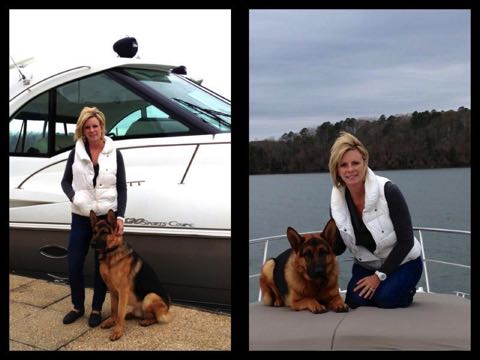
training-bruises-2Update 4/25/2013: Here’s a bruise from last week (left) vs. this week (right). Ouch.
If you have a question about our protection dog training, don’t hesitate to send us a message.

Warso Goes to Tennessee

Warso is getting star treatment at his new home in Tennessee!

A couple of weeks ago we had the pleasure of delivering Warso, a German Shepherd we imported from Germany and trained as a home protection dog, to his new family in Tennessee. While the thought of traveling to new places for deliveries may seem daunting, to us it’s one of the best parts of the job. We have spent countless hours with each dog training them in protection and obedience, so naturally we become very attached to them. With deliveries, we are able to transfer this bond to a new family. Dogs like Warso are more than the best protection available to a home, they quickly become best friends with their new families. Our clients take their dogs to work with them on a daily basis. They visit family and friends and go on vacations and outings. It’s easy to bring these dogs anywhere because you know they’ll listen to your ever command and get along with everyone they meet. Even though we know we’ll miss each dog we deliver, we also know that our dogs are going to have a

So what exactly happens during a delivery? While our delivery is explained as the phase where we personally deliver your new dog to your home and show you their training and how to handle them, that only begins to describe what we really do. Our goal during the delivery phase is to make sure that by the time we leave you have the same level of control with your dog that we do as their trainers. With the extensive training and various handlers our dogs have had, adjusting to someone new is no problem. Our dogs arrive fully trained and we’ve already done extensive customized training for individual situations. The actual focus of the delivery is more on training our clients. We show them how their dog responds, and we cover every area— including basic care, obedience and protection commands. We visit family and friends, second homes, workplaces and anywhere a client plans to bring their dog. We acclimate them to car rides and living with any other pets you might have.

Our clients all have unique situations and we’re happy to tailor the delivery to them. If you want friends and family members to be able to handle your dog, we’ll show them the training principles during the delivery. We’ll practice obedience commands and simulate protection scenarios, including break-ins, assaults and carjackings. We even have clients who ask us to unexpectedly “break in” to their homes just to test out their dogs. By the time we leave, you and your dog will be ready to handle any situation you might come across. Most importantly, you’ll be able to maintain the training and apply our techniques to new situations.

Once our dogs have started to bond with their new families, they have a new life ahead of them and are eager to please. We’re always available for our clients after the delivery. We don’t see the delivery phase as the end of the process. Instead, we keep in touch with our clients long after delivery to see how everything is going. Our clients become part of our family and we receive pictures, videos, holiday cards and other updates. For us, there is no better feeling than delivery a well-trained companion who will become part of the family.

Update from Warso’s owner:

Warso is doing GREAT! He is a supermodel! He ran 3.2 miles (29 mins) with me this morning. It’s amazing how many people stop to talk. We couldn’t be happier with Warso! I doubt you’ve had a better match of the right dog/family! Loving him!

Personal Protection Dogs in the Bahamas


By Khaled Behisy

If you’re wondering what personal protection dogs have to do with the Bahamas, it’s probably because the island is more often portrayed for its white sand and luxury than for its crime rate. But as a region, the UN says that Caribbean Islands like the Bahamas, Bermuda and the Cayman Islands have the highest murder rate in the world, and criminal activity is increasingly spilling into the tourist sections of these islands. Jamaica has the highest crime rate of the islands, but assaults are rampant throughout the region and the Bahamas are reported to have the highest incidence of rape.

We offer protection dogs for sale and deliver to international clients. For residents and travelers who would rather strap on their sandals than a gun holster, personal protection dogs are an excellent security choice. Our dogs will easily follow your lead, staying right by your side (with or without a leash) and intently waiting for your next command or any signs of danger. Unlike typical guard dogs, all of our trained protection dogs for sale have friendly personalities and impeccable manners. Instead of leaving them at home, you can enjoy taking them for a run on the beach or a dip in the water.

The best personal protection dogs are capable not only of physically stopping an attacker, they’re able to deter a crime from even being attempted. Criminals prefer easy targets, and the speed and power of a personal protection dog is much greater than that of a human. The physical presence of a German Shepherd or Belgian Malinois will make a would-be criminal think twice, and their hair-raising bark can itself be enough to trigger a flight response. Of course, when push comes to shove, you know that your personal protection dog is capable of backing up that bark up (click here to see videos of our dogs in action).

Click here to see our trained protection dogs for sale, and here to fill out our questionnaire for international clients.

Update: Military Working Dog Teams to Get National Monument

By Dan Moore

In January we posted about some provisions of the Canine Members of the Armed Services Act (H.R. 4103) making their way into the National Defense Authorization Act for 2013.

One disappointing omission from this act was that military working dogs will still be classified as “equipment” or “surplus equipment” as opposed to members of the armed forces. We were glad to learn, however, that these dogs will be recognized by a statue being planned for Lackland Air Force Base in San Antonio, Texas. This base is home to the 341st Training Squadron responsible for training military working dogs serving in the Army, Air Force, Navy, Marines and Coast Guard.

You can donate to help build the monument by clicking here, or head to the project’s website to learn more.